HandiGate Ramp Is A Tailgate AND Loading Ramp In One!
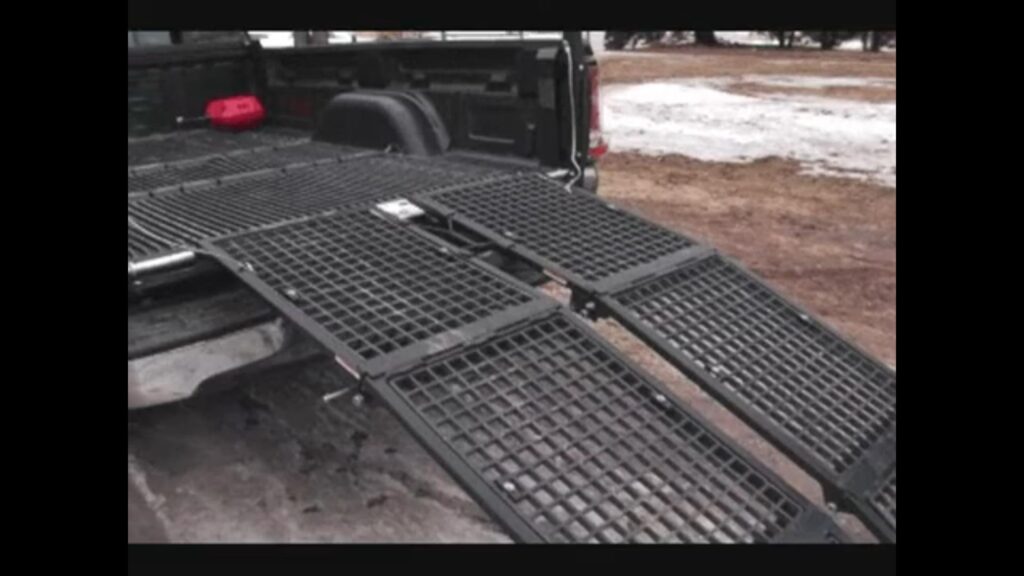
Hey there! My name’s Ryan and today, we’re diving into an exciting HandiGate Ramp that blends the functionality of a tailgate with a loading ramp—meet the HandiGate Ramp. This versatile piece of equipment serves as a loading ramp, a tailgate, and even doubles as a workstation. In this review, we’ll explore its components, assembly process, and how it performs in various applications.
Disclaimer: We do not sell these items; our goal is to highlight their uses and some installation tips. We review products on Amazon, and some of the links provided are affiliate links, which means we may earn a commission if you make a purchase through these links.
Unboxing and Assembly
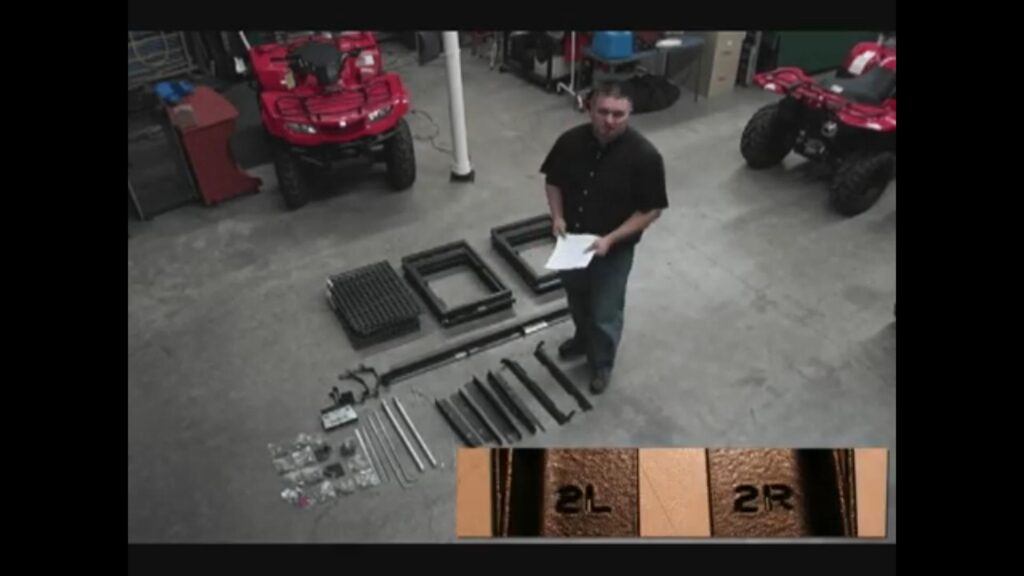
When you first receive the HandiGate Ramp, you’ll notice that the hardware and all the pieces are clearly marked, making the assembly process straightforward. As we follow the owner’s manual, each component is easy to identify and set up. The instructions are well laid out, ensuring a smooth assembly experience. However, if you encounter any issues, their customer service is top-notch and ready to assist.
Features and Specifications
The HandiGate Ramp is a robust and well-thought-out unit designed to handle heavy-duty tasks. It’s rated to hold up to 1,200 pounds, which is ideal for most ATVs and UTVs. One of the standout features is its polymer-based coating, which provides a durable, rust-resistant finish. This coating is similar to powder coat but offers a plastic feel that enhances its longevity and resistance to corrosion.
All the hardware, including bolts and nuts, is made of stainless steel or aluminum, ensuring the ramp is built to last. This attention to detail in the materials used speaks volumes about the product’s quality and durability.
Loading and Unloading
Using the HandiGate Ramp is a breeze once you get the hang of it. The ramp comes with safety latches and clips to secure it in place during loading and unloading. It’s crucial to ensure these safety features are properly engaged to prevent any mishaps.
During our tests, we found that the ramp works exceptionally well for most applications. However, it struggles with lower-profile vehicles like motorcycles or ATVs with plows, especially on taller trucks. This is because the higher the truck, the steeper the ramp angle, making it challenging for low-profile vehicles. For better results, a lower truck or one with softer springs would provide a more suitable angle for loading these types of machines.
Performance and Usability
The HandiGate Ramp’s performance is impressive. It’s designed to handle substantial weight, making it suitable for various tasks beyond just loading ATVs and UTVs. Its multifunctionality as a workstation adds to its appeal, offering a sturdy platform for various projects.
When considering alternatives, products like the Mad-Ramps and Yutrax Aluminum Loading Ramps offer similar functionalities with some variations. The Mad-Ramps system integrates ramps into a tailgate extender, providing a stable, all-in-one loading solution. It’s made from 6061-aluminum, known for its strength-to-weight ratio, making it durable and easy to handle.
The Yutrax Aluminum Loading Ramps are another excellent choice, featuring a tri-fold design that makes them easy to store and transport. They have a maximum weight capacity of 1,750 pounds, making them one of the most rugged options in their price range.
Tips for Optimal Use
Safety First: Always use the safety clips and latches to secure the ramp during use.
Proper Angle: Ensure the ramp is positioned at an appropriate angle to avoid difficulties with low-profile vehicles.
Pivot Points: Utilize the pivot points to make lifting and positioning the ramp easier.
Practice Makes Perfect: Take some time to familiarize yourself with the ramp’s operation to ensure smooth and efficient use.
Customer Support and Warranty
One of the highlights of the HandiGate Ramp is its excellent customer support. Any issues or questions during assembly or use are promptly addressed by their support team. Additionally, the product comes with a warranty that covers manufacturing defects, providing peace of mind for your investment.
Real-World Applications
Beyond its primary use for loading ATVs and UTVs, the HandiGate Ramp can be employed in various scenarios:
Workstation: Its sturdy build makes it perfect for use as a portable workstation on job sites.
Utility Tasks: Ideal for loading lawn equipment, motorcycles, and other heavy machinery.
Outdoor Adventures: Great for off-road enthusiasts who need a reliable ramp for loading and unloading their gear.
Final Thoughts
The HandiGate Ramp is a versatile, durable, and highly functional piece of equipment that serves multiple purposes. Whether you’re an outdoor enthusiast, a professional needing a reliable loading solution, or someone looking for a sturdy workstation, this ramp has you covered. Its robust construction, ease of use, and excellent customer support make it a worthwhile investment.
Thank you for joining us on this review. Stay tuned to Backroad Reviews for more product insights and reviews. If you have any questions or want to share your experiences with the HandiGate Ramp, leave a comment below. Happy loading!
Ethanol Shield is designed to keep your engines running smoothly and efficiently.
Hello, and welcome to Backroad Reviews! I’m Ryan, your host, and today we’re diving into the world of fuel stabilizers with a comprehensive review of Ethanol Shield. In this extensive post, we’ll blend our findings from both parts of our video series, providing you with an in-depth look at this incredible product designed to keep your engines running smoothly and efficiently.
Affiliate Links Support Our Channel At No Cost To You
Introduction to Ethanol Shield
Ethanol Shield is a year-round fuel stabilizer formulated to address issues caused by ethanol-blended fuels. This versatile product is compatible with both 2-cycle and 4-cycle engines, making it ideal for various power equipment, including lawnmowers, chainsaws, generators, ATVs, and more. Its primary purpose is to prevent and eliminate ethanol-related problems, ensuring your engines start easily and perform optimally throughout the year.
Ethanol Shield dramatically slows down the aging process of fuel, stabilizing it for up to three years. This is crucial for preventing phase separation, a common issue with ethanol-blended fuels where ethanol and gasoline separate, leading to significant engine problems. By keeping the fuel fresh, Ethanol Shield ensures your engines remain in top condition, ready to start whenever you need them.
2. Removes Water and Prevents Corrosion
One of the standout features of Ethanol Shield is its ability to remove water from the fuel system. Water in the fuel system can cause significant damage to engine components, leading to corrosion and reduced engine life. Ethanol Shield envelops water molecules, preventing them from causing harm. This feature is particularly beneficial for equipment that sits idle for extended periods, such as boats and seasonal power tools.
3. Easy Engine Starting
Engines treated with Ethanol Shield are easier to start, even after long periods of storage. This is particularly beneficial for seasonal equipment that sits idle for months at a time. No more struggling with engines that won’t start after winter storage; Ethanol Shield ensures they fire up quickly and run smoothly.
4. Conditions Rubber and Plastic Components
Ethanol Shield conditions rubber and plastic components within the fuel system, preventing them from becoming brittle and deteriorating. This extends the life of fuel lines, gaskets, and other critical parts, saving you money on repairs and replacements. By keeping these components in good condition, Ethanol Shield helps maintain the overall health of your engine.
5. Reduces Emissions
By keeping the fuel system clean and efficient, Ethanol Shield helps reduce harmful emissions, contributing to a cleaner environment. This is not only good for your engine but also for the planet, making Ethanol Shield a responsible choice for environmentally-conscious users.
Practical Applications
Ethanol Shield is perfect for anyone using ethanol-blended fuels. Whether you’re maintaining a lawn mower, preparing your boat for storage, or ensuring your ATV is ready for the next adventure, this product will keep your engines in top condition.
Usage Instructions
To use Ethanol Shield, simply add 1 oz. of the stabilizer per 10 gallons of fuel. This small amount is enough to provide robust protection and keep your fuel system clean and efficient. Regular use of Ethanol Shield ensures that your engines remain protected against ethanol-related issues year-round.
Part One: Product Testing
In part one of our review, we conducted a series of tests to evaluate the effectiveness of Ethanol Shield. We used aluminum cans with carbon stamps to simulate carbon build-up in the fuel system. Ethanol Shield was able to remove the carbon efficiently, showcasing its decarbonization capabilities. Additionally, when we added water to the fuel treated with Ethanol Shield, it enveloped the water, preventing it from pooling and causing damage.
Carbon Removal Test
We started by applying Ethanol Shield to aluminum cans with carbon stamps. The carbon stamp simulates the type of build-up that can occur in an engine’s fuel system. Ethanol Shield quickly began to break down the carbon, demonstrating its powerful cleaning capabilities. Within minutes, the carbon was significantly reduced, proving that Ethanol Shield can effectively clean the fuel system.
Water Envelopment Test
Next, we added water to the fuel treated with Ethanol Shield. Unlike other products that allow water to pool at the bottom of the fuel tank, Ethanol Shield envelops the water molecules, preventing them from causing corrosion and other damage. This test clearly showed that Ethanol Shield provides superior protection against water-related issues, making it an excellent choice for equipment stored in humid environments or exposed to moisture.
Part Two: Extended Testing and Real-World Application
In part two of our review, we took our testing a step further by examining how Ethanol Shield performs in real-world scenarios. We used various power equipment that had been sitting idle for months, treating them with Ethanol Shield to observe its impact on engine performance and start-up ease.
Real-World Application Test
Lawnmower: After sitting idle over winter, our lawnmower started on the first pull after being treated with Ethanol Shield. The engine ran smoothly with no sputtering or hesitation, demonstrating the product’s ability to maintain fuel quality over extended periods.
Chainsaw: Known for being finicky after long periods of inactivity, the chainsaw also started easily and maintained a steady idle without stalling. Ethanol Shield kept the fuel system clean and ready for immediate use.
Generator: The generator, often used for emergencies, started without any issues and ran efficiently, providing consistent power output. This is critical for ensuring that your generator is ready to go when you need it most, especially during power outages.
Rumble Video
Results
Ethanol Shield not only passed our controlled tests but also proved its effectiveness in real-world applications. It ensured easy start-ups, smooth engine performance, and provided peace of mind knowing our engines are protected against ethanol-related issues. The consistent performance across different types of equipment highlights the versatility and reliability of Ethanol Shield.
Long-Term Benefits
Using Ethanol Shield as a regular part of your engine maintenance routine offers several long-term benefits:
Extended Engine Life: By preventing corrosion and maintaining fuel quality, Ethanol Shield helps extend the life of your engines.
Reduced Maintenance Costs: Fewer repairs and replacements mean lower maintenance costs over time.
Improved Reliability: Consistent engine performance ensures that your equipment is always ready to use when you need it.
Environmental Protection: Reduced emissions contribute to a cleaner environment, aligning with eco-friendly practices.
Additional Insights and Expert Opinions
Beyond our testing, we’ve gathered insights from various experts and enthusiasts who have used Ethanol Shield. These additional perspectives provide a well-rounded understanding of its benefits and applications.
Expert Insight 1: Automotive Technician
“As an automotive technician, I’ve seen firsthand the damage ethanol-blended fuels can cause to engines. Ethanol Shield has proven to be an effective solution in preventing these issues. It not only stabilizes the fuel but also conditions the internal components, reducing wear and tear.”
Expert Insight 2: Small Engine Specialist
“Small engines are particularly vulnerable to ethanol-related problems. Ethanol Shield has been a game-changer for my clients. It keeps their equipment running smoothly, whether it’s a lawnmower, snowblower, or chainsaw. The difference in performance is noticeable.”
Expert Insight 3: Marine Mechanic
“Boats are often stored for long periods, making them susceptible to fuel degradation. Ethanol Shield is a must-have for boat owners. It keeps the fuel fresh and prevents water-related damage, which is critical for maintaining engine health.”
Case Studies and Real-World Experiences
To further illustrate the effectiveness of Ethanol Shield, let’s look at some case studies and real-world experiences shared by users.
Case Study 1: Seasonal Lawn Care
A landscaping company in the Midwest faced issues with their equipment every spring due to ethanol-blended fuels. After switching to Ethanol Shield, they reported significantly fewer start-up problems and reduced maintenance costs. The equipment performed better and lasted longer, allowing the company to operate more efficiently.
Case Study 2: Recreational Boating
A recreational boater in Florida used Ethanol Shield to treat their boat’s fuel system. The boat, which was stored for months at a time, started easily and ran smoothly after treatment. The owner also noticed a reduction in fuel-related issues, such as sputtering and stalling, which improved their overall boating experience.
Case Study 3: Emergency Generators
A family in Texas relied on a generator during power outages caused by severe weather. They treated their generator’s fuel with Ethanol Shield and found that it started reliably and provided consistent power throughout the outages. This peace of mind was invaluable during emergencies.
Customer Testimonials
John W.
“I received information about Ethanol Shield from a local nursery and decided to give it a try in my lawn mower. I also used it in my car and got excellent results. I now recommend Ethanol Shield to all my car collector friends. It keeps the engines running smoothly, and I’ve noticed a significant improvement in performance.”
Mike G.
“I’ve used Ethanol Shield for several years in various engines, from my 1940 car to my seasonal power tools. They all start every time, thanks to Ethanol Shield. It’s the best fuel stabilizer I’ve found, and I won’t use anything else.”
Shawn Walker
“After using Ethanol Shield for almost a year, I’ve had no issues whatsoever. It does exactly what it says it’s supposed to do, keeping my engines running smoothly and preventing any ethanol-related problems.”
Affiliate Notice
We review products available on Amazon and use affiliate links. If you purchase through these links, we earn a small commission at no extra cost to you.
Chapter 1: Introduction to the Hydroponic Garden Journey
Welcome, fellow green thumbs, to the exciting world of hydroponic gardening! In this article, we’ll dive into the details of our recent experiment with a hydroponic garden system, as we aim to grow a variety of plants without the traditional soil method.
Affiliate notice: This article contains affiliate links to Amazon products. If you purchase through these links, we may earn a small commission at no additional cost to you.
Chapter 2: The Setup and Design
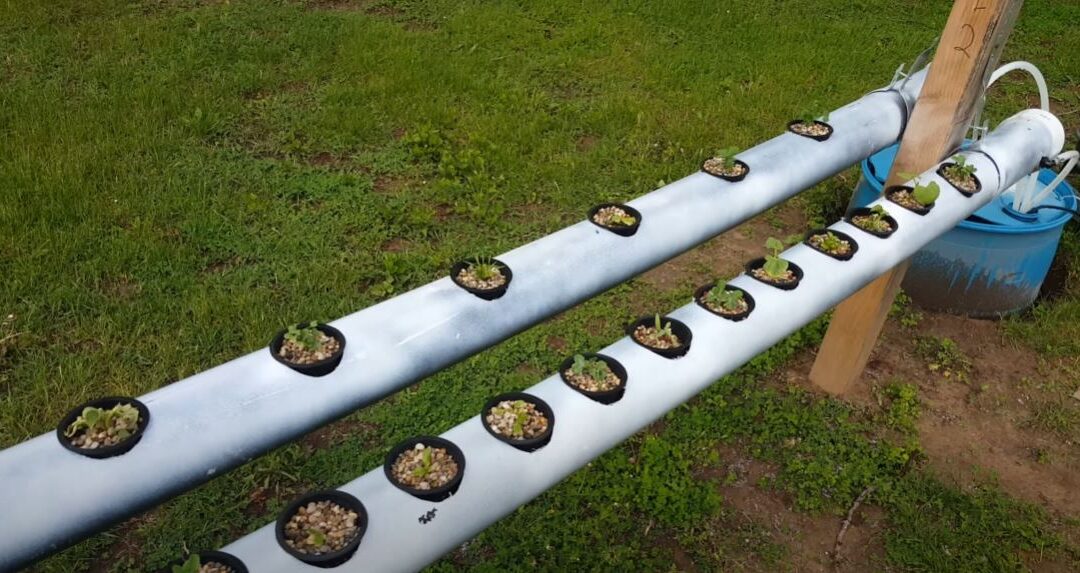
Our journey began with the purchase of a hydroponic garden system from Amazon. The setup was relatively simple and involved placing the grow pods into the system and connecting the water and nutrient delivery system. We also added a small fountain pump to keep the water circulating and a rain cover to protect the electrical connections from the elements.
Chapter 3: The Experiment Begins
With the system set up, it was time to plant our seeds. We chose a variety of plants, including three types of lettuce and multiple varieties of tomatoes. After planting, we eagerly awaited the results of our experiment.
Chapter 4: Early Observations and Challenges
As the plants began to grow, we noticed that some struggled to reach the water due to the pea gravel we used as a growing medium. This led to a period of shock for the plants, but many eventually adapted and began to thrive.
Chapter 5: Growth and Successes
As the days passed, we were amazed at the growth rate of the plants that adapted to the hydroponic system. The leaves were growing rapidly, and the plants were clearly thriving. The aggressive growth was a testament to the effectiveness of the hydroponic system.
Chapter 6: Adapting to the System
While some plants flourished, others struggled due to their deep root systems. We decided to create a secondary deep culture system for these plants, using buckets of water to accommodate their root growth.
Chapter 7: The Future of Our Hydroponic Garden
As we continue to learn and adapt to the hydroponic garden system, we are excited to see what the future holds for our green thumb adventures. We plan to expand the system and experiment with new plants and techniques.
Chapter 8: Final Thoughts and Tips
Our hydroponic garden experiment has been a rewarding and educational experience. We encourage anyone interested in trying this method to do so, as it can be a fun and effective way to grow plants without soil. Remember to be patient, as some plants may need time to adapt to the new environment.